
Your check engine light just came on. Your heart rate goes up. Your first thought: "How bad is this going to be?"
The answer depends entirely on what the fault code is. Some codes are informational — a minor sensor drift that can wait until your next PM. Others are critical — pull over right now or risk destroying your engine.
Here's a driver's guide to understanding diesel fault codes and making smart decisions when that light comes on.
How Fault Codes Work
Your truck's ECM (engine control module) constantly monitors dozens of sensors and systems. When a reading falls outside the expected range, the ECM logs a fault code and turns on a warning light.
Fault codes follow a standard format: a letter followed by numbers. For example, P0101 or SPN 520211/FMI 4.
There are two main coding systems:
- OBD-II (P-codes): Standard automotive format, used on lighter trucks
- J1939 SPN/FMI: The standard for heavy-duty diesel trucks, using Suspect Parameter Numbers and Failure Mode Identifiers
Most fleet and mobile mechanics use the SPN/FMI system when working on Class 6-8 trucks.
Severity Levels: Not All Codes Are Equal
Understanding severity helps you decide whether to keep driving or pull over.
Informational / Low Severity These codes indicate something the ECM wants you to know but isn't critical.
Examples:
- Minor sensor drift within tolerance
- Maintenance reminders (oil life, DPF ash load)
- Intermittent faults that set once and don't return
What to do: Note the code, continue driving, and have it checked at your next PM or when convenient.
Moderate Severity — Derate Warning These codes indicate a problem that the ECM considers significant enough to limit engine performance.
Examples:
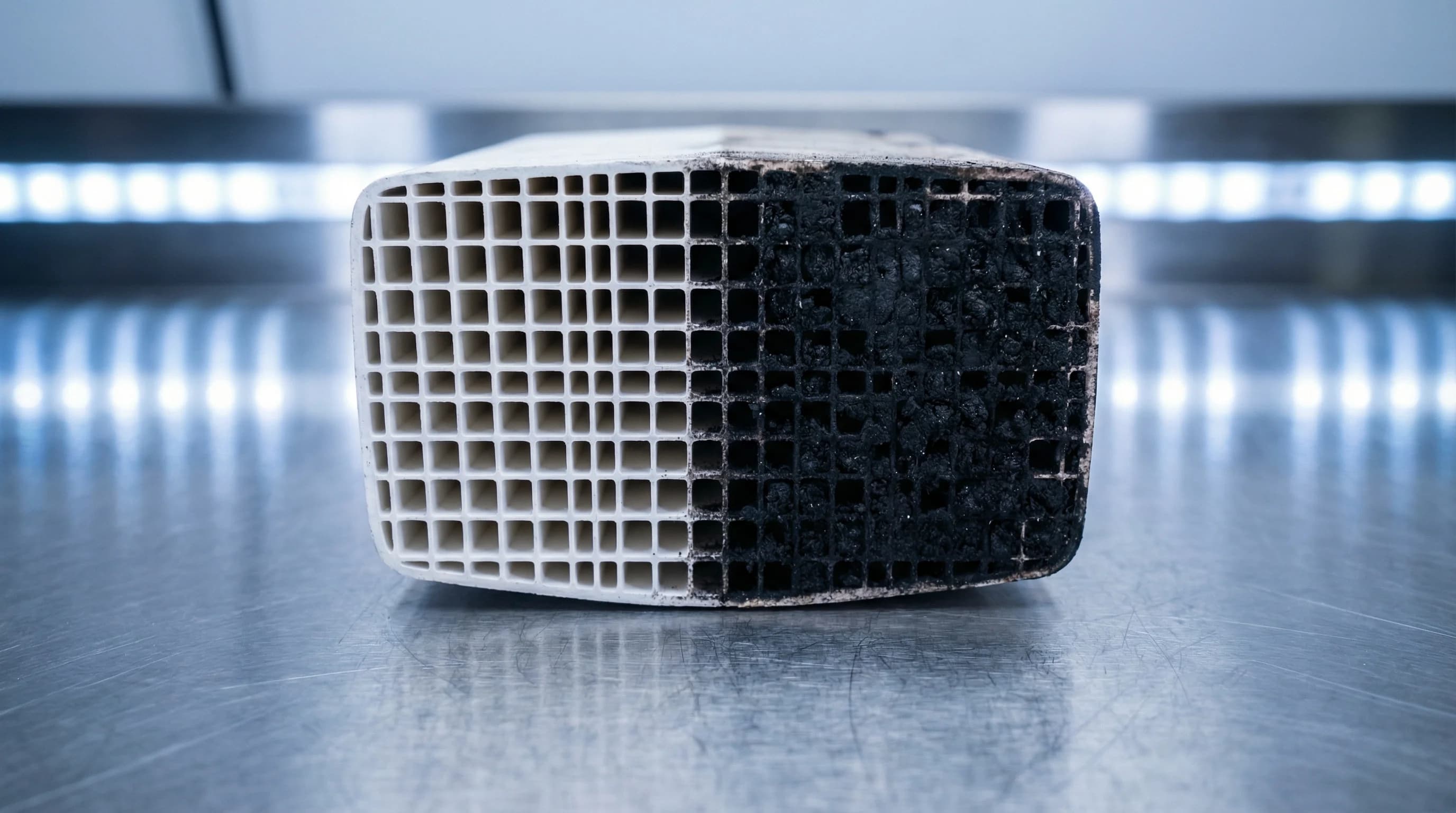
- Aftertreatment system faults (DPF soot load high, DEF quality)
- Moderate emissions system deviations
- Some cooling system warnings
What to do: You can usually continue driving to a safe location, but don't ignore it. Derate conditions typically get progressively worse — a 25% power reduction today can become a 5 MPH speed limit tomorrow.
High Severity — Stop Engine These codes indicate an immediate threat to engine life. The ECM may shut the engine down automatically.
Examples:
- Critical oil pressure loss
- Severe overheating
- Crankcase pressure out of range
- Critical sensor failures affecting engine protection
What to do: Pull over safely and shut down the engine. Do not continue driving. Call for service immediately.
The Most Common Fault Codes You'll See
Aftertreatment Codes (Most Frequent) DPF-related and DEF-related codes are the most common on modern trucks. You'll see codes related to: - DPF soot load / regen needed - DEF quality or level - NOx sensor readings - SCR efficiency below threshold - Aftertreatment temperature issues
These typically start as informational, escalate to derate, and can eventually result in a 5 MPH idle-only speed limitation if ignored long enough.
Engine Performance Codes - Turbo boost low / overboost - EGR flow errors - Fuel pressure out of range - Injector circuit faults - Coolant temperature high
These range from informational to stop-engine depending on severity.
Electrical and Communication Codes - Sensor open/short circuit - CAN bus communication errors - ECM/TCM communication faults - Battery voltage high/low
Most electrical codes are moderate severity, but communication faults between modules can cause cascading issues.
What to Do When a Code Appears
Step 1: Note the severity. Is this a check engine light, a derate warning, or a stop engine light? This determines your urgency.
Step 2: Note the code if possible. If your dash displays the SPN/FMI or a description, write it down or take a photo. This information helps your mechanic arrive prepared.
Step 3: Check your gauges. Oil pressure, coolant temp, boost pressure, DEF level — are any readings abnormal?
Step 4: Make a decision. Based on severity:
- Low severity: Continue to your destination, schedule service
- Moderate / derate: Find a safe place to stop within the next 30-60 minutes and call for service
- Stop engine: Pull over now, shut down, call for emergency service
Step 5: Don't clear codes yourself. If you clear codes with a handheld tool without fixing the underlying problem, you lose diagnostic history that your mechanic needs. You also reset derate timers, which can cause the ECM to escalate faster when the code returns.
When to Call a Mobile Mechanic
Call immediately if:
- You're in derate and losing speed/power
- Your engine shut down or won't restart
- You see oil pressure, coolant temp, or stop engine warnings
- You have a load that can't wait for a shop appointment
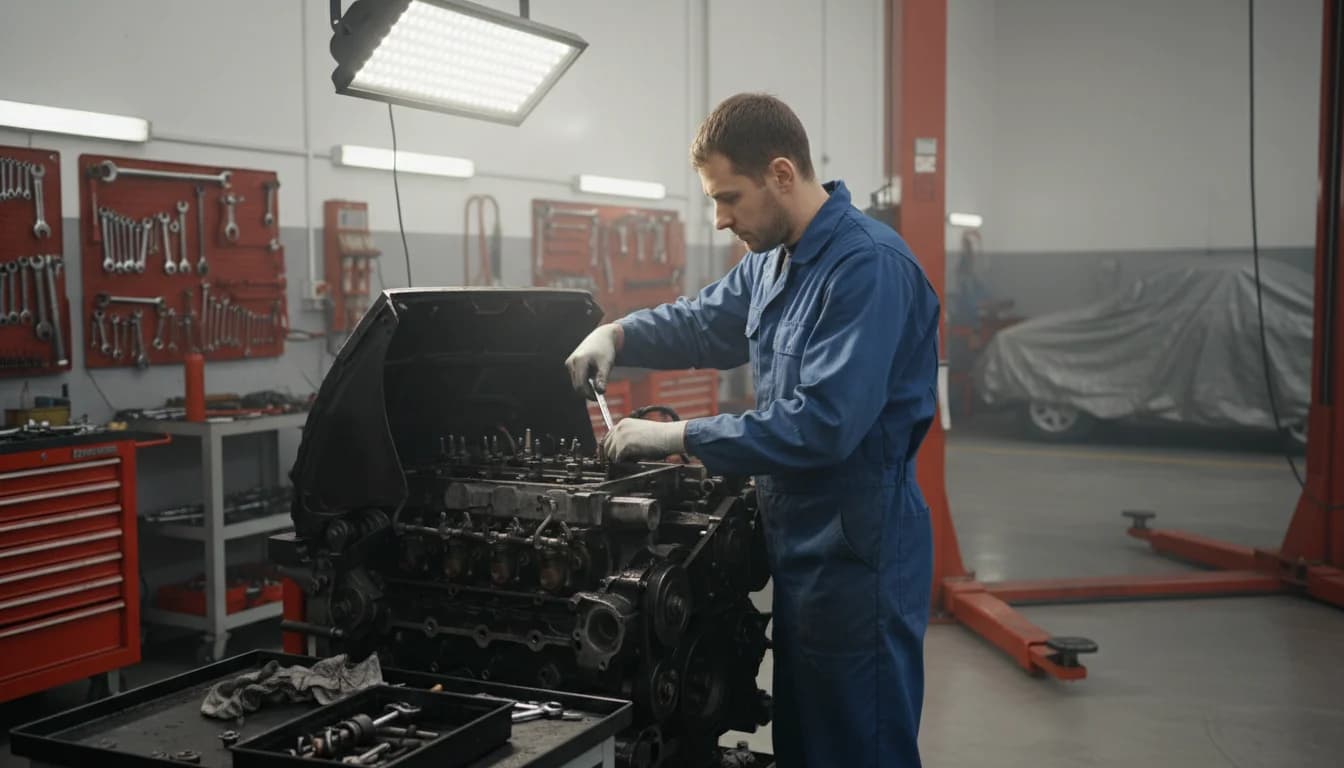
A mobile diesel mechanic can read your codes on-site, diagnose the root cause, and in most cases complete the repair where you're parked.
The Key Takeaway
Fault codes are your truck talking to you. Learn to listen. The difference between a $200 sensor replacement and a $15,000 engine rebuild is often just a few hours of ignoring a warning light.
When that light comes on, take it seriously, assess the severity, and get a qualified diesel mechanic on it before a minor fault becomes a major failure.