Every experienced trucker knows: the cheapest repair is the one you never need. Preventive maintenance isn't glamorous, but it's the single most effective way to avoid breakdowns, extend engine life, and keep repair costs under control.
Here are 10 maintenance tips that actually matter — not textbook theory, but practical advice from mechanics who fix trucks every day.
1. Oil Changes — On Time, Every Time
This is the most basic maintenance item and the one most often stretched too far. Modern diesel oils are good, but they're not magic.
What to do: Follow your OEM-recommended oil change interval — typically 25,000-50,000 miles depending on your engine and duty cycle. Use the correct viscosity and specification (CK-4 for most modern engines).
Why it matters: Oil breaks down, additives deplete, and contaminants accumulate. Running oil past its service life accelerates wear on bearings, rings, and turbo components — the expensive stuff.
Pro tip: If you idle a lot, consider cutting your oil change interval by 20-30%. Idle time is harder on oil than highway miles.
2. Fuel Filters — Don't Wait for Symptoms
Fuel filter changes are cheap insurance. A $30 filter prevents injector damage that costs $3,000-6,000 to repair.
What to do: Change primary and secondary fuel filters at OEM-recommended intervals — typically every 15,000-30,000 miles. Change them earlier if you suspect fuel quality issues.
Why it matters: Diesel fuel contains microscopic contaminants and water that your filters catch before they reach your injectors. Once filters are saturated, contaminants pass through.
Pro tip: Always fill your fuel filter housing before installation and prime the system properly. Air in the fuel system after a filter change causes hard starting and can damage the high-pressure pump.
3. Coolant System — Check the Condition, Not Just the Level
Topping off coolant isn't enough. Coolant chemistry matters.
What to do: Test your coolant with test strips at every oil change. Check pH, freeze point, and SCA (supplemental coolant additive) levels. Replace coolant at OEM intervals or when chemistry drifts out of spec.
Why it matters: Degraded coolant causes cavitation erosion in cylinder liners, corrodes aluminum components, and reduces heat transfer — leading to overheating and potential engine damage.
Pro tip: Don't mix coolant types. ELC (extended life coolant) and conventional coolant have different additive chemistries and don't play well together.
4. Air Filter — Inspect Before You Change
Not every air filter needs to be changed at every PM. But every air filter needs to be inspected.
What to do: Use a restriction indicator (the little window on your air filter housing) to monitor filter condition. Change when restriction reaches the maximum allowable level, or inspect visually for damage.
Why it matters: A clogged air filter restricts airflow, reducing power and fuel economy. A damaged filter lets unfiltered air into the engine, causing premature wear on rings, liners, and turbo.
Pro tip: Never remove an air filter and run the engine without one — even briefly. One minute of unfiltered air can introduce enough dust to start accelerated wear.
5. Belts and Hoses — Look Before They Fail
Belt and hose failures are 100% preventable with visual inspection.
What to do: Inspect drive belts for cracks, glazing, fraying, and proper tension at every PM. Check coolant hoses for swelling, softness, cracking, and weeping at connections.
Why it matters: A failed serpentine belt takes out your alternator, water pump, and A/C compressor all at once. A burst coolant hose causes immediate overheating and potential engine damage.
Pro tip: Replace belts and hoses on a time-based schedule even if they look fine. Rubber degrades with heat and age. Four years is a reasonable replacement cycle for most hoses.
6. Brake Adjustment — Check It Yourself
Out-of-adjustment brakes are the #1 reason trucks fail DOT inspections and get put out of service.
What to do: Learn to check your brake stroke with a pry bar or brake stroke gauge. Check all axle positions at every pre-trip. Know the adjustment limits for your brake type.
Why it matters: Over-stroked brakes can't generate full stopping force. This is both a safety issue and a compliance issue — out-of-adjustment brakes are an automatic OOS violation.
Pro tip: If your brakes are equipped with automatic slack adjusters and they're still going out of adjustment, the adjusters are failing — not just the brakes. Replace the slack adjuster, don't just keep manually adjusting.
7. Tire Pressure — The Most Underrated Maintenance Item
Proper tire inflation prevents blowouts, improves fuel economy, and extends tire life. Yet most trucks are running at least one tire underinflated.
What to do: Check tire pressure with a calibrated gauge at every pre-trip. Inflate to the pressure specified for your load weight — this is on the tire placard or in your truck's manual.
Why it matters: An underinflated tire runs hot, wears unevenly, and is far more likely to blow out. Over-inflation causes center wear and reduces traction. Both cost money.
Pro tip: Check tires when they're cold (before driving). Running temps increase pressure readings and give you a false number.
8. DEF Quality — Bad Fluid Causes Expensive Problems
If your truck uses DEF (diesel exhaust fluid), the quality of that fluid matters.
What to do: Buy DEF from reputable sources and check that it meets ISO 22241 specification. Store DEF properly — it degrades in heat and freezes at 12°F. Don't let DEF sit in your tank for months without use.
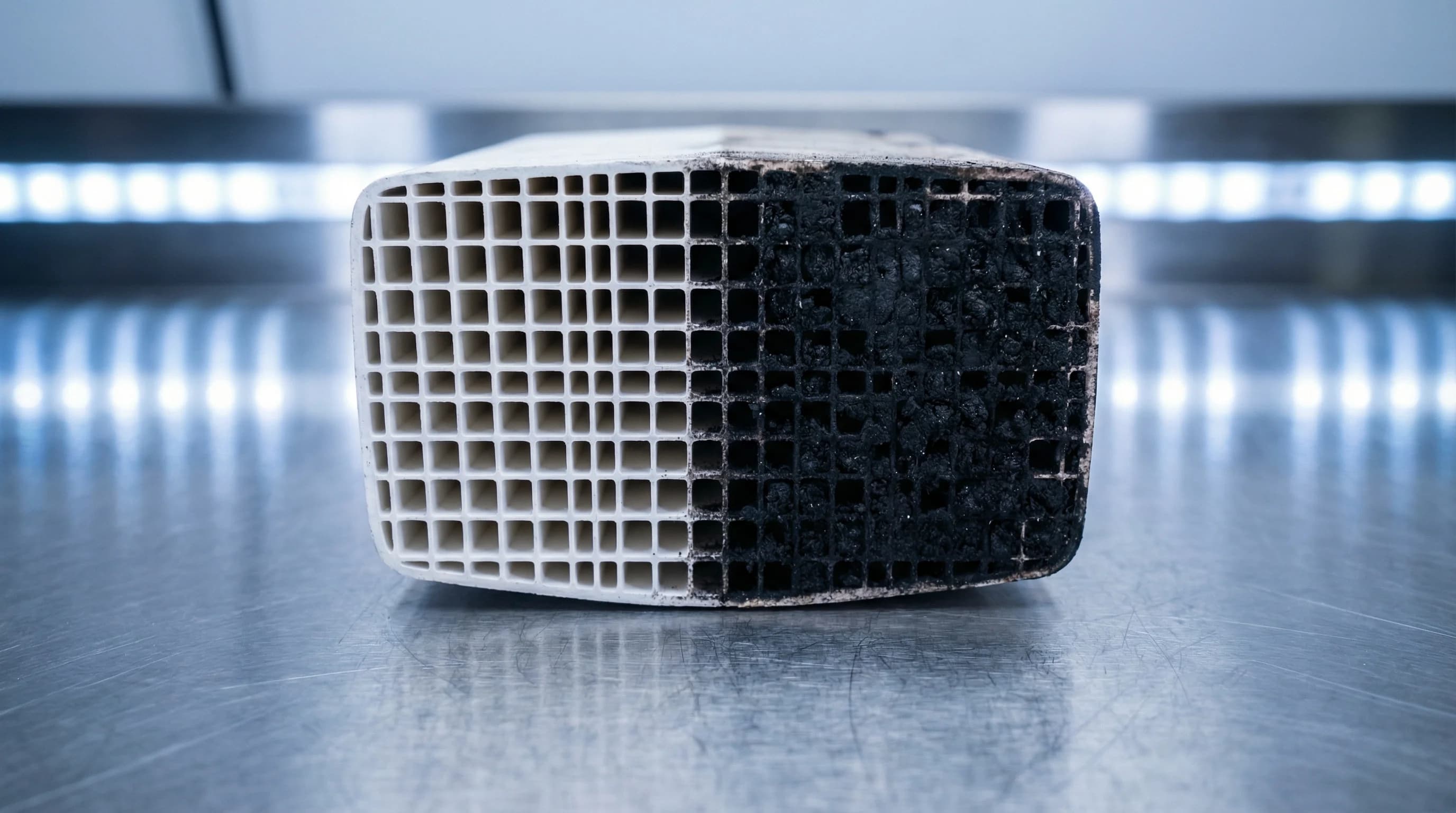
Why it matters: Contaminated or degraded DEF causes crystallization in the injector and lines, triggers derate conditions, and can damage the SCR catalyst — repairs that cost thousands.
Pro tip: If your DEF tank has been sitting unused for 6+ months, consider draining and refilling with fresh fluid before putting the truck back in service.
9. Grease Points — Cheap Insurance Against Expensive Failures
Greasing is the most forgotten maintenance item on a truck. King pins, U-joints, fifth wheel, and steering components all need regular grease.
What to do: Follow your OEM grease schedule — typically every 10,000-25,000 miles depending on the component. Hit every fitting until you see fresh grease purge.
Why it matters: Dry king pins wear bushings and lead to a $2,000+ king pin job. Dry U-joints seize and break driveshafts. Dry fifth wheel plates cause excessive wear and hard coupling.
Pro tip: Carry a grease gun on your truck and hit the key points during fuel stops. Five minutes with a grease gun can prevent five figures in repairs.
10. Listen to Your Truck — It Tells You When Something's Wrong
Your truck gives you warning signs before it breaks down. The drivers who avoid breakdowns are the ones who pay attention.
What to listen for: New noises — squealing, grinding, knocking, hissing. What to watch for: temperature changes, pressure changes, new vibrations, fluid on the ground, smoke color changes.
What to do: Don't ignore subtle changes. A new squeal at startup might be a belt about to fail. A slight coolant loss might be a head gasket starting to weep. A minor air leak at the glad hands might be a fitting about to blow out.
Why it matters: Catching a problem early usually means a cheap repair. Ignoring it until it fails usually means an expensive breakdown at the worst possible time.
The Bottom Line
None of these tips are complicated. They're basic, consistent, unsexy maintenance habits that keep trucks running and repair bills low. The best truckers aren't the ones who never break down — they're the ones who break down less because they take care of their equipment.
And when something does go wrong despite your best efforts, having a mobile repair service on speed dial means you're back on the road in hours, not days.