Your diesel particulate filter (DPF) is one of the most critical components in your truck's aftertreatment system. When it clogs with soot beyond what passive regeneration can handle, you need a forced regen — and understanding how this process works can save you thousands in repairs and days of downtime.
What Is DPF Regeneration?
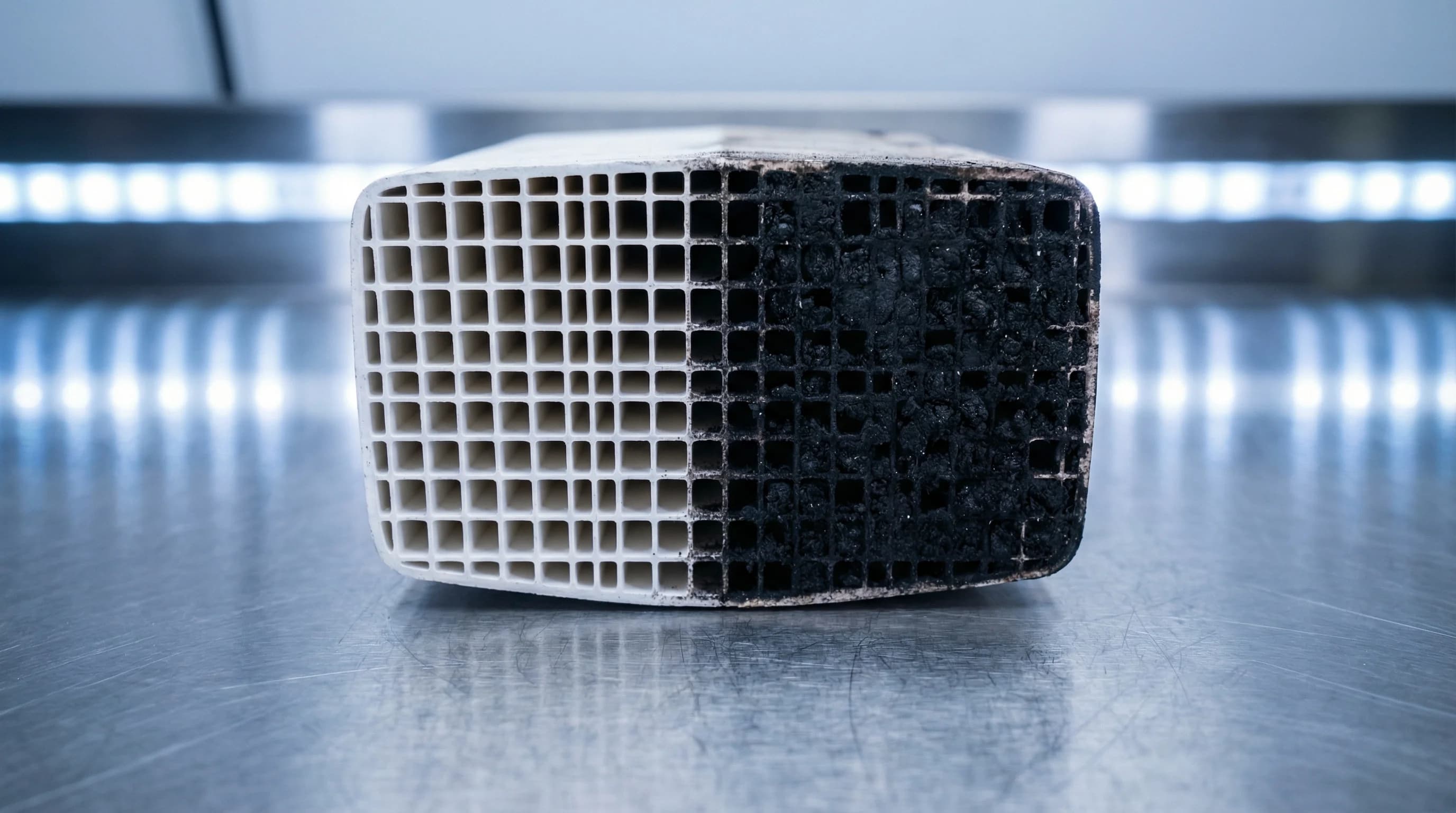
DPF regeneration is the process of burning off accumulated soot (particulate matter) inside your diesel particulate filter. There are three types:
- Passive regen happens automatically during normal highway driving when exhaust temperatures are high enough (above 600°F) to oxidize soot. Most drivers never notice it.
- Active regen is initiated by the engine's ECM when soot levels reach about 40-50%. The system injects extra fuel to raise exhaust temperatures. You might notice slightly higher idle RPM or a light on the dash.
- Forced (manual) regen is required when soot loading exceeds 60-80% and the system can't clean itself. This requires a diagnostic tool or a trip to a mechanic.
Warning Signs You Need a Forced Regen
Watch for these indicators that your DPF is overloaded:
- DPF warning light illuminated (solid or flashing)
- Check Engine Light (CEL) with aftertreatment-related codes
- Reduced power / derate — the engine limits speed or torque to protect the DPF
- Excessive idle time without highway driving
- Frequent active regen attempts that don't complete (often from stop-and-go driving or shutting the truck off mid-regen)
- High soot loading percentage visible on a diagnostic scan tool (above 80%)
If you're seeing a flashing DPF light or experiencing power derate, do not ignore it. Continued operation with a critically loaded DPF can cause thermal damage that turns a $500 regen into a $5,000 DPF replacement.
How to Perform a Forced DPF Regen
What You Need
- OEM diagnostic software (Detroit Diesel DDDL, Cummins INSITE, PACCAR ESA) or an aftermarket diagnostic tool (Noregon JPRO, Nexiq, Autel MaxiSys)
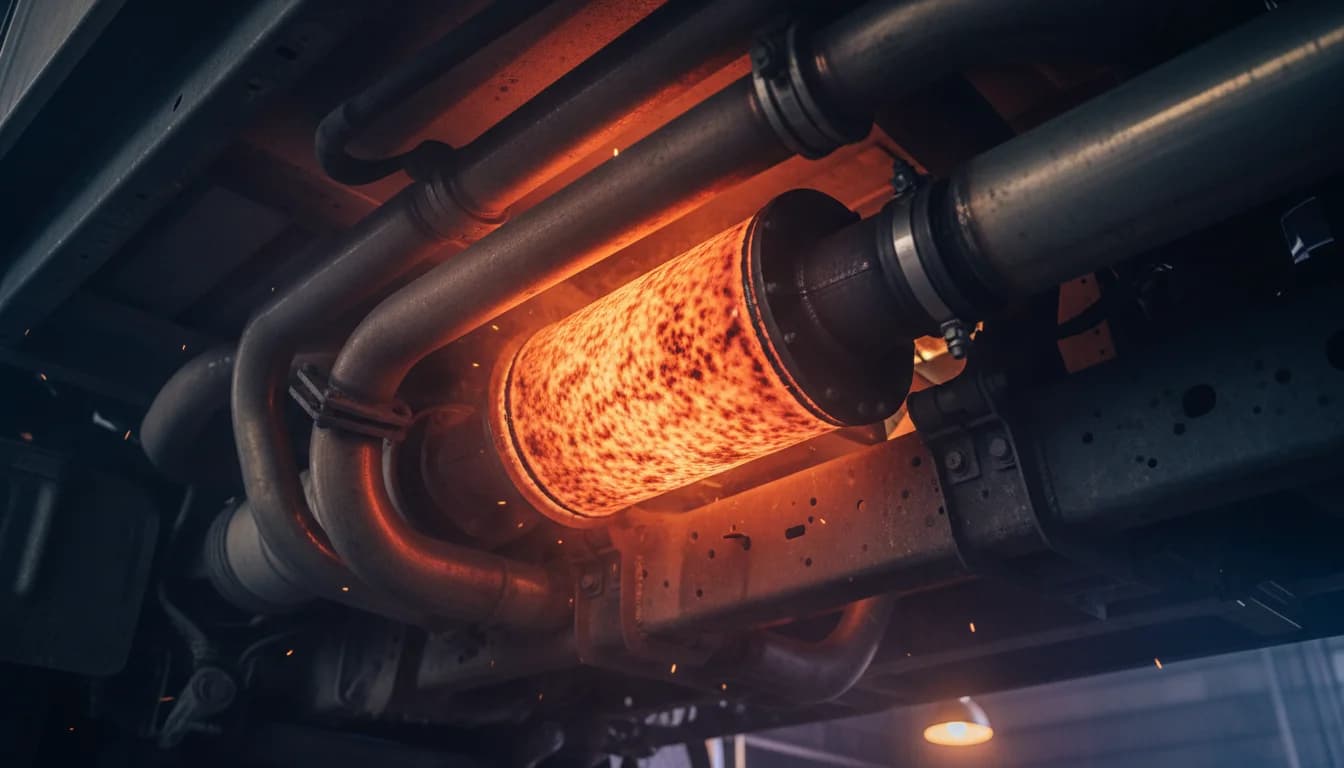
- Safe location — flat, well-ventilated area away from combustible materials. The DPF can reach 1,200°F+ during regen
- Fuel — at least 1/4 tank of diesel
- Time — forced regens typically take 30-60 minutes
- No active fault codes that would prevent regen (certain codes must be cleared first)
Step-by-Step Process
Step 1: Pre-Regen Checks
Before initiating a forced regen, verify:
- Engine coolant temperature is at operating temp (180-200°F)
- No active fault codes that block regen (check with scan tool)
- DPF inlet and outlet sensors are reading correctly
- Exhaust system has no leaks
- DOC (Diesel Oxidation Catalyst) is functioning properly
Step 2: Connect Diagnostic Tool
Plug your diagnostic tool into the OBD-II / J1939 port (usually under the dash on the driver side). Navigate to the aftertreatment or DPF section. Most tools have a dedicated "Forced Regen" or "Stationary Regen" function.
Step 3: Initiate the Regen
Select the forced regen option. The tool will run a pre-check to ensure conditions are met. If all conditions pass:
- The engine RPM will increase (typically to 1,000-1,200 RPM)
- Exhaust temperatures will climb to 1,000-1,200°F
- The process takes 30-60 minutes depending on soot loading
Step 4: Monitor the Process
Keep an eye on:
- Exhaust gas temperatures (should climb steadily, then plateau)
- Soot loading percentage (should decrease during regen)
- Any new fault codes that might appear
- Engine RPM and coolant temperature
Do NOT shut off the engine during regen. Interrupting the process can cause incomplete burn-off and make the problem worse.
Step 5: Post-Regen Verification
After the regen completes:
- Soot loading should drop below 10-15%
- DPF differential pressure should return to normal range
- DPF warning light should clear
- Clear any regen-related fault codes
Common Reasons Forced Regens Fail
- Faulty DPF temperature sensors giving inaccurate readings
- Damaged DOC (Diesel Oxidation Catalyst) — if the DOC isn't creating enough heat, the DPF can't regen
- Exhaust leaks before the DPF reducing temperatures
- Bad injectors — a failed 7th injector (on engines that use one) can prevent proper fuel delivery for regen
- DEF quality issues — contaminated DEF can foul the SCR catalyst and trigger codes that block regen
- Physical DPF damage — if the substrate is cracked or melted, no amount of regen will fix it
When to Call a Mobile Mechanic Instead
A forced regen requires diagnostic equipment that most drivers don't carry. Even if you have a basic code reader, it likely can't initiate a regen. Call a mobile diesel mechanic when:
- You don't have access to OEM or professional diagnostic software
- The regen fails after one attempt
- You're getting active fault codes related to DPF temperature sensors, the DOC, or the 7th injector
- Soot loading is above 90% (at this level, a manual regen may not work and the DPF may need removal and professional cleaning)
- You're experiencing derate and need to get rolling quickly
Mobile diesel mechanics carry the diagnostic tools and expertise to perform forced regens on-site. They can also diagnose and repair the underlying cause if regen alone doesn't solve the problem.
Preventing DPF Problems
The best strategy is avoiding critical soot loading in the first place:
- Avoid excessive idling — idle time is the #1 cause of DPF issues. If you must idle, use an APU or bunk heater when possible.
- Drive at highway speeds regularly — passive regen needs sustained speeds above 40 mph
- Don't interrupt active regens — if you see the active regen indicator, keep driving until it completes (usually 15-30 minutes)
- Use quality diesel fuel — low-sulfur fuel burns cleaner
- Maintain your engine — failing injectors, turbo leaks, and worn rings all increase soot production
- Use correct DEF — only use API-certified DEF from a reputable source
- Follow PM schedules — regular oil changes and filter replacements support clean combustion
The Bottom Line
DPF regeneration is a normal part of operating a modern diesel truck. Understanding the process helps you recognize problems early, take the right action, and avoid the expensive consequences of ignoring warning signs.
If you're dealing with a DPF issue on the road, a mobile diesel mechanic can perform a forced regen at your location — no tow, no shop wait. Save our number before you need it.