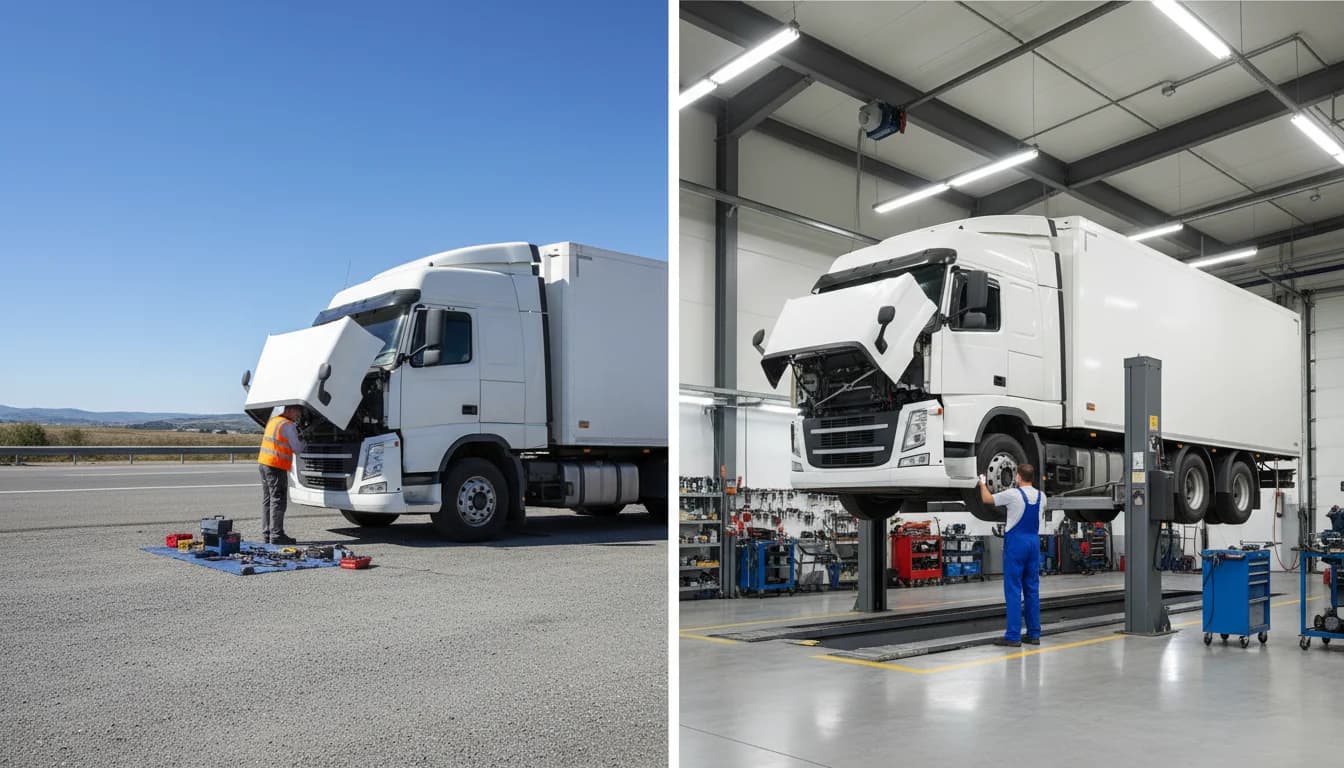
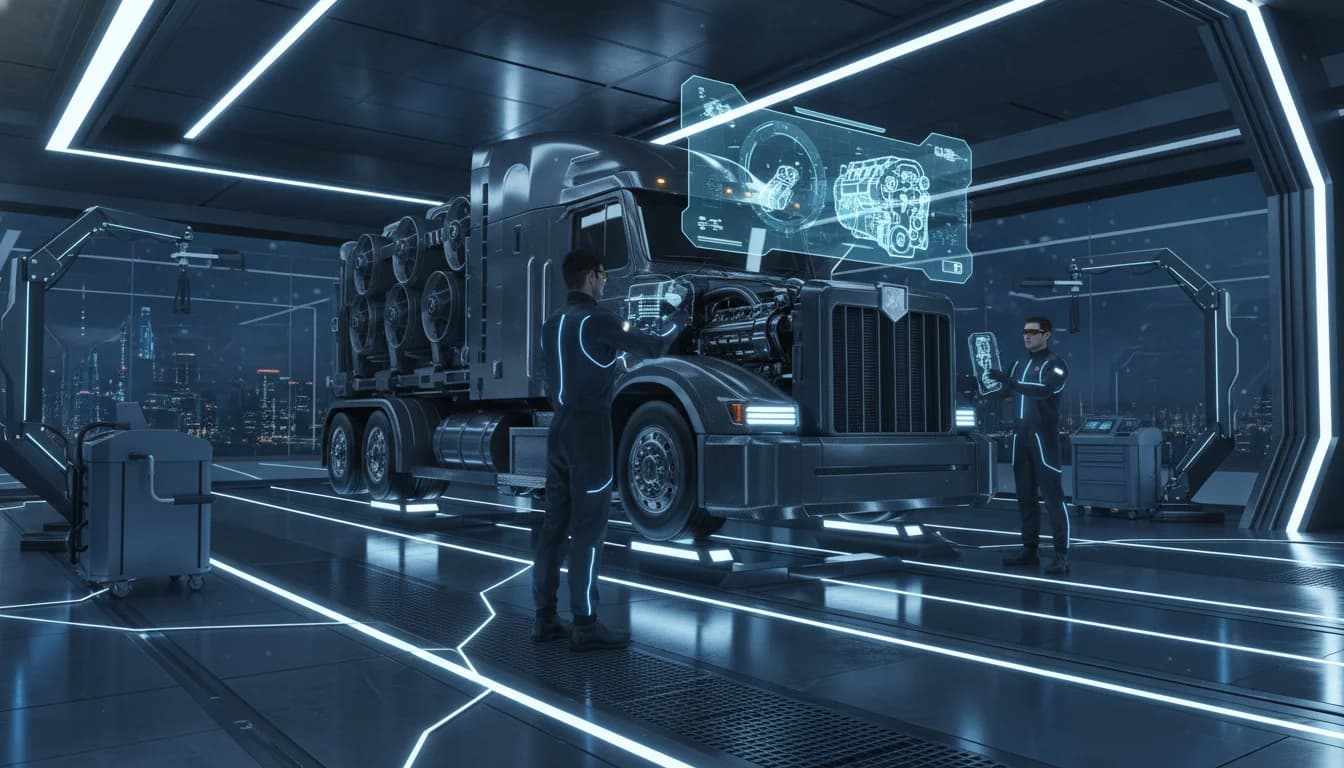
The mobile diesel repair industry is at an inflection point. For decades, the business model was simple: a truck breaks down, someone calls a mechanic, the mechanic drives out and fixes it. That model worked, but it was reactive, inefficient, and left truck drivers sitting on the shoulder for hours.
Technology is changing that. Here's how.
Telematics-Driven Dispatch
Modern commercial trucks are rolling data centers. Telematics systems (like Geotab, Samsara, Omnitracs, and platform-specific systems) constantly transmit vehicle health data — fault codes, oil pressure, coolant temperature, DPF soot load, and more.
Where this is going: Instead of waiting for a driver to call in a breakdown, dispatch platforms will receive fault code alerts directly from the truck. A derate condition at 2 AM triggers an automatic dispatch before the driver even picks up the phone.
Impact for mechanics: Faster dispatch, better preparation (you know the codes before you arrive), and the ability to carry the right parts on the first trip.
Impact for truck drivers: Shorter wait times, fewer situations where a mechanic arrives without the needed parts, and proactive alerts before a fault becomes a breakdown.
Predictive Maintenance
Predictive maintenance takes telematics a step further. Instead of reacting to failures, algorithms analyze trends — oil degradation rates, DPF soot accumulation curves, battery voltage decline — and predict when a component is likely to fail.
Where this is going: Fleet management platforms will schedule mobile service visits based on predicted failures, not just calendar intervals. A mechanic shows up at your fleet yard on Tuesday to replace a DEF injector that the data says will fail within the next 2,000 miles — before it causes a derate.
Impact for mechanics: More scheduled work (predictable revenue), fewer emergency calls (less after-hours disruption), and the ability to plan parts and time efficiently.
Impact for fleets: Dramatically reduced unplanned downtime, lower per-repair costs (planned repairs are always cheaper than emergency ones), and better vehicle availability.
Digital Dispatch Platforms
The "Uber for diesel repair" model is becoming reality. Platforms that connect truck drivers with mobile mechanics through a digital marketplace — with real-time matching, GPS tracking, transparent pricing, and digital payments.
What's changing:
- Mechanics get dispatched to the nearest job, reducing drive time and increasing billable hours
- Truck drivers see real-time ETAs and mechanic credentials before service begins
- Payments are handled digitally — no chasing invoices
- Reviews and ratings create accountability on both sides
Impact on the industry: Independent mechanics gain access to a steady flow of customers without marketing spend. Fleet managers get a single platform to manage mobile service across multiple markets. The overall standard of service quality rises because performance is measured and visible.
Remote Diagnostics
Engine manufacturers and telematics providers are building remote diagnostic capabilities that let a technician read fault codes, view live data, and even perform some calibrations remotely.
Where this is going: A mobile mechanic en route to a breakdown location can connect to the truck remotely, read the fault codes, view freeze frame data, and potentially identify the root cause before arriving. In some cases, a remote technician can clear a soft derate or perform a forced regen without a mechanic on-site.
Impact: Fewer wasted trips, faster resolution for software-fixable issues, and better first-time fix rates for hardware problems because the mechanic arrives knowing exactly what's wrong.
Electric and Alternative Fuel Vehicles
The elephant in the room: battery-electric trucks are coming. Manufacturers like Freightliner, Volvo, Tesla, Nikola, and others are delivering electric Class 8 trucks today, with adoption expected to accelerate through the 2030s.
What this means for mobile diesel mechanics:
- Diesel trucks aren't going away anytime soon. The existing fleet of 3.5+ million diesel trucks will need service for decades.
- EV trucks will need mobile service too — brakes, suspension, tires, cooling systems, and high-voltage electrical are all field-serviceable.
- Mechanics who cross-train on high-voltage systems will have a significant competitive advantage.
- Natural gas and hydrogen fuel cell trucks add additional diversification opportunities.
The Human Element Isn't Going Anywhere
For all the technology coming to the industry, one thing won't change: someone still needs to turn the wrench.
Remote diagnostics can identify the problem, but a human mechanic needs to replace the turbo. Predictive algorithms can schedule the service, but a skilled tech needs to perform the brake job. Digital platforms can dispatch the call, but experience and expertise determine whether the repair is done right.
The mobile diesel mechanics who embrace technology — who carry the latest scan tools, join dispatch platforms, and understand telematics data — will thrive. They'll get more calls, fix trucks faster, and earn more money.
The ones who resist technology will still find work (there are plenty of trucks to fix), but they'll increasingly be competing on price rather than capability.
What This Means for You
If you're a truck driver or fleet manager: The mobile repair experience is getting dramatically better. Faster dispatch, more transparent service, predictive scheduling, and digital documentation are coming. Companies that invest in these capabilities will deliver noticeably better service.
If you're a mobile mechanic or thinking about becoming one: The opportunity is growing, not shrinking. Technology makes the business more efficient and more profitable. The key is to stay current — invest in your diagnostic capabilities, join platforms that bring you customers, and never stop learning.
The future of mobile diesel repair is technology-enabled, mechanic-delivered, and driver-focused. And it's arriving faster than most people think.