The diesel repair industry has a problem: there aren't enough technicians. The Bureau of Labor Statistics projects 28,500+ diesel technician openings annually through 2032, driven by retirements, industry growth, and a generation that was steered toward college instead of skilled trades.
This shortage is creating an unprecedented opportunity for women. And while women still make up less than 4% of diesel technicians nationwide, the numbers are growing — and the women entering the field are building careers that rival any white-collar path in earning potential and job security.
The Opportunity Is Real
Let's talk numbers:
- Median salary: $58,000/year for diesel technicians (BLS 2024)
- Top 10% earn: $78,000+ in shop roles
- Mobile mechanics: $80,000-$150,000+ annually (higher earning potential due to reduced overhead and direct client relationships)
- Job growth: 5% projected through 2032 (faster than average)
- Unfilled positions: 28,500+ annually
Unlike many industries where entry requires a four-year degree and $100,000+ in student debt, diesel technology programs typically take 12-24 months and cost a fraction of university tuition. Many programs offer financial aid, and some employers offer sponsored training with guaranteed placement.
Why Women Excel in Diesel Repair
The stereotype of diesel mechanics as a brute-force profession is outdated and inaccurate. Modern diesel repair is highly technical:
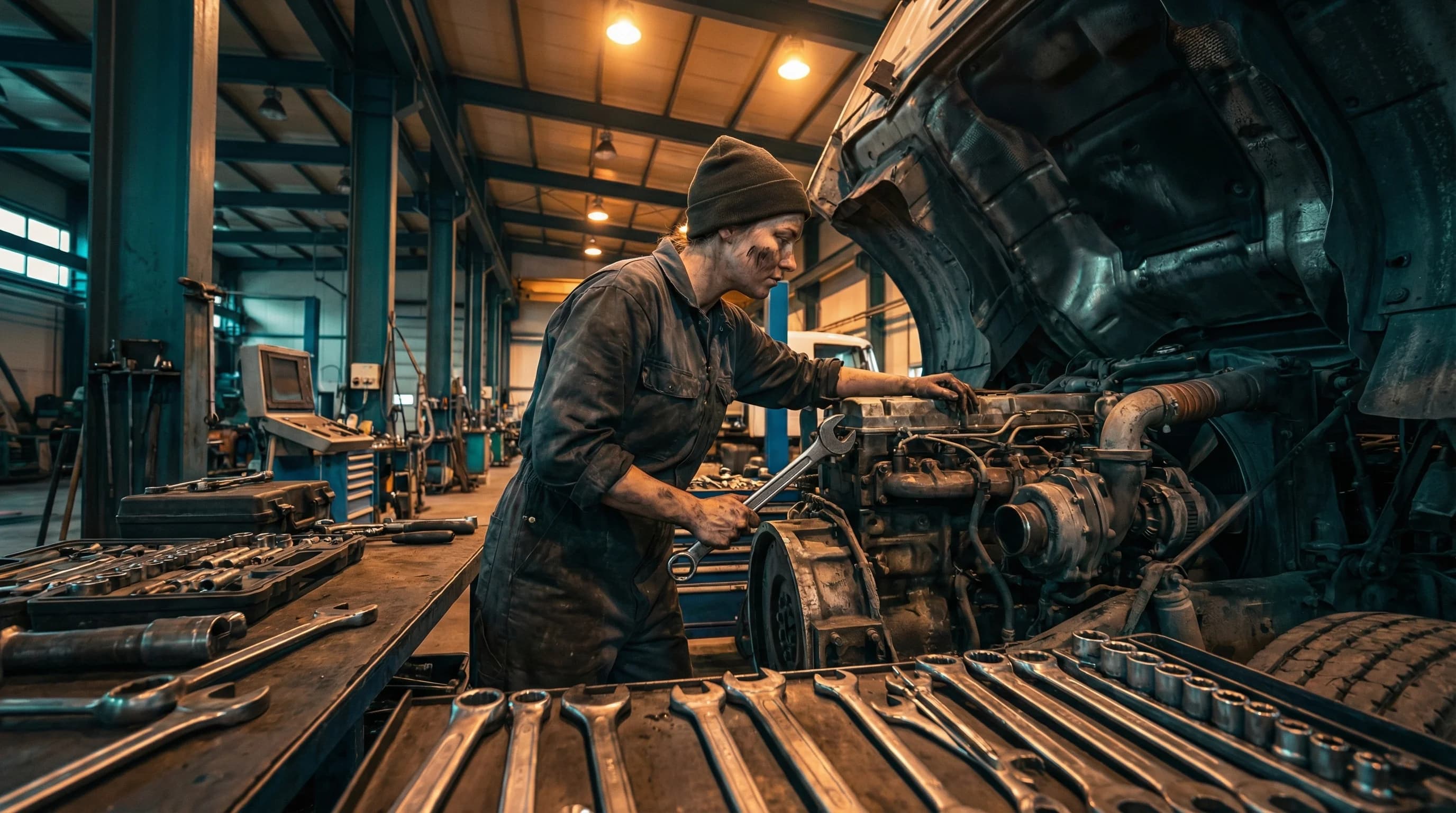
Diagnostics require attention to detail. Today's diesel engines are computer-controlled systems with hundreds of sensors and modules. Diagnosing problems requires methodical thinking, pattern recognition, and the patience to trace electrical circuits and read data streams. These are skills, not physical attributes.
Customer interaction matters. Mobile diesel mechanics interact directly with drivers and fleet managers. Communication skills, professionalism, and the ability to explain technical issues in plain language are competitive advantages — and women consistently rate higher in customer satisfaction scores across service industries.
Precision over power. Yes, some components are heavy. But the industry has evolved. Hydraulic lifts, power tools, torque multipliers, and proper technique mean that physical strength is rarely the limiting factor. The most valued skill is knowing what's wrong and how to fix it correctly the first time.
Training Programs to Consider
WyoTech (Laramie, Wyoming)
WyoTech's diesel technology program is one of the most respected in the country. Their hands-on curriculum covers:
- Engine repair and overhaul
- Fuel systems and injection
- Electrical and electronic systems
- Heating, ventilation, and A/C
- Hydraulics and braking systems
Graduates report strong placement rates, and the program's industry connections open doors at major carriers and equipment manufacturers.
Wallace State Community College (Hanceville, Alabama)
Wallace State offers an accredited diesel technology program with a strong reputation in the Southeast. Their program balances classroom theory with shop time, and tuition at a community college rate makes it one of the most affordable paths into the trade.
Manufacturer-Specific Programs
Cummins, PACCAR (Kenworth/Peterbilt), and Daimler (Freightliner) all run factory-backed training programs. These programs are typically shorter and hyper-focused on specific engine platforms, and they often come with employment offers from dealer networks.
YouTube Channels for Aspiring Women Mechanics
Social media has done something the trade school system hasn't — it's shown women what the job actually looks like:
- DieselGirl — A female diesel mechanic documenting her work, sharing tips, and proving that women belong in the shop
- Diesel Queen — Crosses the line between driving and mechanical work, showing the full diesel lifestyle
- Angelica Larsson — While primarily a driver, her content often covers truck maintenance and inspections, showing the mechanical side of trucking
These creators are important because representation matters. It's hard to picture yourself in a career you've never seen someone like you doing.
Mentorship Makes the Difference
The women who succeed in diesel repair almost universally point to mentorship as the single most important factor. Having an experienced mechanic — male or female — who takes the time to teach, answer questions, and advocate for you in a male-dominated shop environment changes everything.
If you're starting out, look for a mentor in your local shop, your training program or a professional group like Women In Trucking. One experienced person in your corner changes everything.
Building a Mobile Diesel Repair Business
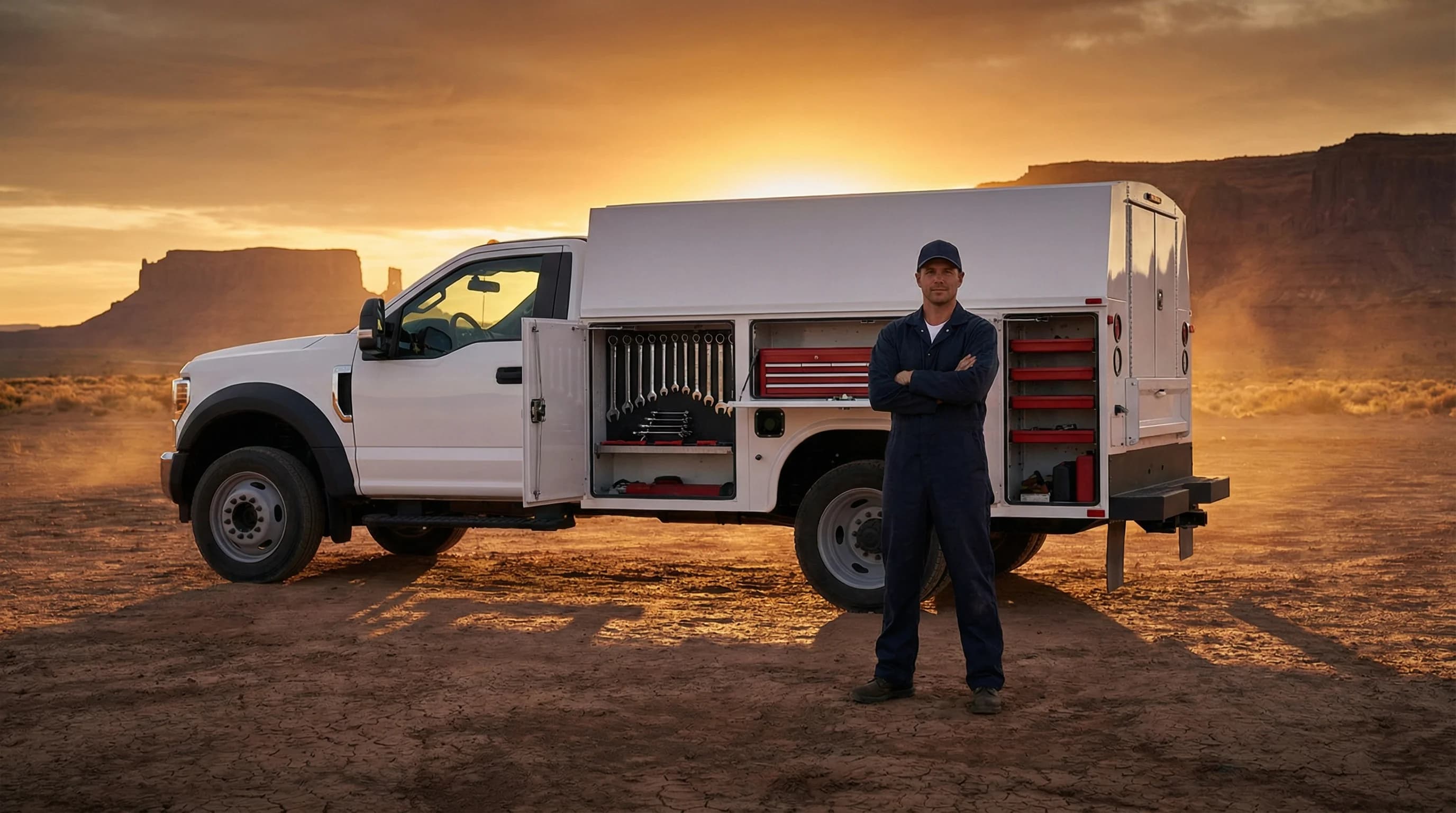
For women mechanics looking to maximize their earning potential, going mobile is the most direct path. Mobile diesel mechanics:
- Set their own rates instead of earning hourly shop wages
- Choose their own hours and service areas
- Build direct relationships with clients and fleet managers
- Eliminate the overhead of shop rent, utilities, and equipment payments
Starting a mobile diesel business typically requires:
- A reliable service truck ($30,000-$60,000 for a used truck with a service body)
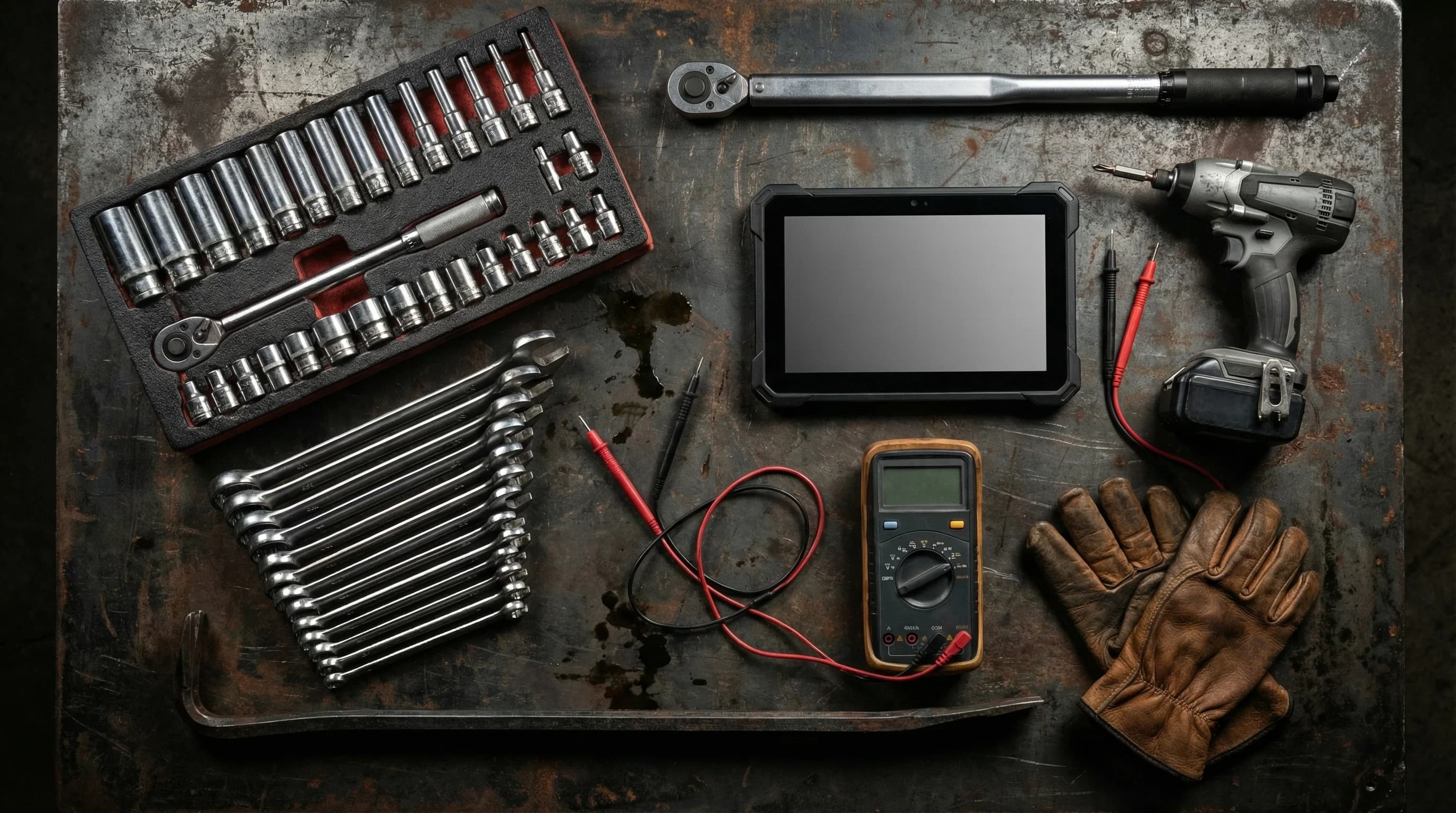
- Core diagnostic tools and equipment ($15,000-$25,000)
- Commercial liability insurance ($2,000-$5,000/year)
- State and local business licensing
- ASE certifications (recommended but not always required)
Total startup investment ranges from $50,000-$90,000 — significant, but far less than opening a brick-and-mortar shop, and the return on investment is typically fast given the demand.
Mobile Diesel USA's Support for Women Mechanics
Mobile Diesel Pro works the same way for every mechanic: you set your own labor, call-out and mileage rates, choose when you're online, and Accept or Pass on each job from your Lock Screen. Customers approve your quote in the app before you start, and you're paid out to your bank. If you're a diesel mechanic in Phoenix, or in Chicago or Detroit ahead of launch, see how to apply on our mechanics page.
The Career Arc
The long-term career path for women in diesel mechanics is strong:
Years 1-3: Build your foundation. Work as a shop technician or join a network like Mobile Diesel USA to build experience, earn certifications, and learn from experienced mechanics.
Years 3-5: Specialize. Develop expertise in high-demand areas like aftertreatment systems, electrical diagnostics, or specific engine platforms (Cummins, Detroit, PACCAR). Specialists command higher rates.
Years 5-10: Scale. Go mobile if you haven't already. Build a client base, establish fleet contracts, and consider bringing on additional mechanics. Some mobile operations grow into multi-truck businesses.
Years 10+: Lead. Become a trainer, inspector, fleet maintenance manager, or industry consultant. The skills and network you build as a diesel technician open doors across the industry.
The Bottom Line
The diesel repair industry needs technicians. The shortage is real, the pay is strong, and the barriers to entry are lower than most people think. For women considering a skilled trade, diesel mechanics offers a combination of job security, earning potential, and independence that few careers can match.
Yes, you'll be in the minority. Yes, you'll face challenges that your male colleagues don't. But the women who are already in this trade will tell you the same thing: it's worth it.
At Mobile Diesel USA, we're building a platform where women mechanics don't just survive — they thrive. If you've got the skills and the drive, we want you in our network.