You've been turning wrenches in a shop for years. You're good at what you do, you're tired of making someone else money, and you've been thinking about going mobile. Starting your own mobile diesel repair business is one of the best moves a skilled mechanic can make — if you do it right.
Here's a practical guide to going from shop employee to independent mobile diesel mechanic.
Why Mobile Diesel Repair?
The economics are compelling. Shop overhead — rent, utilities, equipment payments, office staff — eats 40-60% of a shop's revenue before a mechanic sees a dime. Mobile mechanics eliminate most of that overhead.
Your truck is your shop. Your phone is your office. And the customers come to you (or rather, you go to them).
The demand is real: there are 3.5 million commercial trucks on US roads, and they all break down eventually. Fleet managers and owner-operators increasingly prefer mobile service because it eliminates tow costs, reduces downtime, and gets repairs done where the truck already is.
Step 1: Get Your Credentials in Order
Before you spend a dollar on tools or a truck, make sure you have:
Certifications: ASE certifications (especially T-series for trucks) give you credibility. They're not legally required in most states, but fleet customers and dispatch platforms expect them.
Experience: Most successful mobile mechanics have 3-5+ years of diesel shop experience before going mobile. You need to be able to diagnose and repair independently — there's no senior tech to lean on in the field.
Driver's license: You'll need a valid license for whatever service vehicle you plan to drive. A CDL isn't typically required unless your service truck exceeds weight limits.
Step 2: Handle the Business Side
Business entity: Form an LLC at minimum. This protects your personal assets. File with your state's Secretary of State — it typically costs $50-200.
EIN: Get a free Employer Identification Number from the IRS. You'll need it for business banking and taxes.
Business insurance: This is non-negotiable. You need:
- General liability insurance ($1M minimum)
- Commercial auto insurance for your service vehicle
- Tools and equipment coverage
- Garage keeper's liability (covers customer vehicles while you work on them)
Expect to pay $3,000-6,000/year for a solid insurance package. Don't skip this.
Business bank account: Keep business and personal finances separate from day one. This makes taxes easier and protects your LLC status.
Step 3: Build Your Service Truck
Your service truck is your biggest investment. You have options:
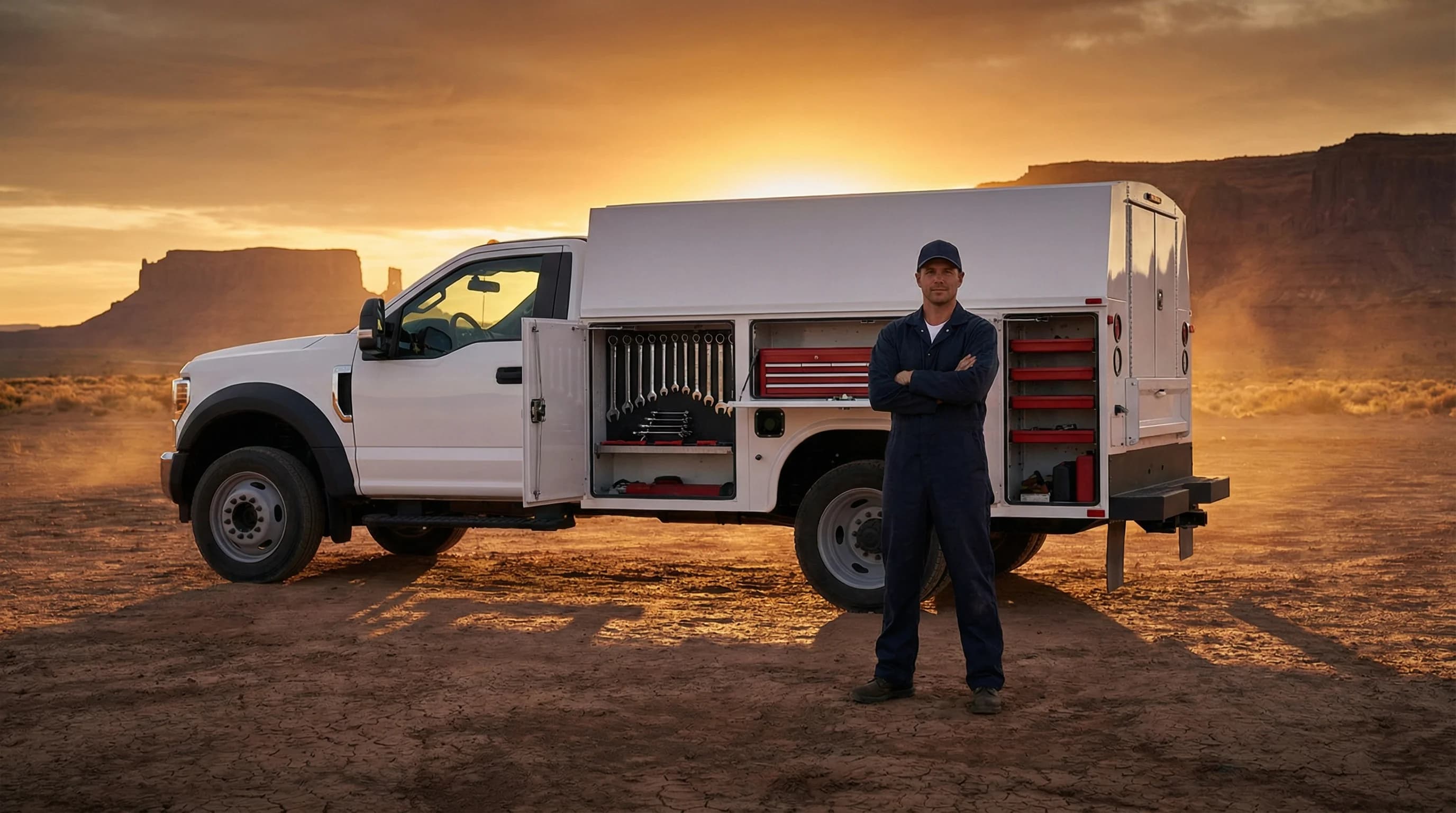
The starter setup: A used Ford F-350 or Ram 3500 with a service body or utility bed. Budget $30,000-50,000 for a solid used setup with a crane or air compressor.
The professional setup: A purpose-built service truck (like a Knapheide or Reading service body) on a new chassis with an air compressor, welder, crane, and full toolbox setup. Budget $60,000-100,000+.
What you need on the truck:
- Air compressor (minimum 30 CFM for air tools)
- Portable lighting (LED tower or pod lights)
- Generator or inverter for 120V power
- Basic welding setup
- Hydraulic jack and jack stands rated for commercial vehicles
- Diagnostic laptop with subscription software
Step 4: Tool Up
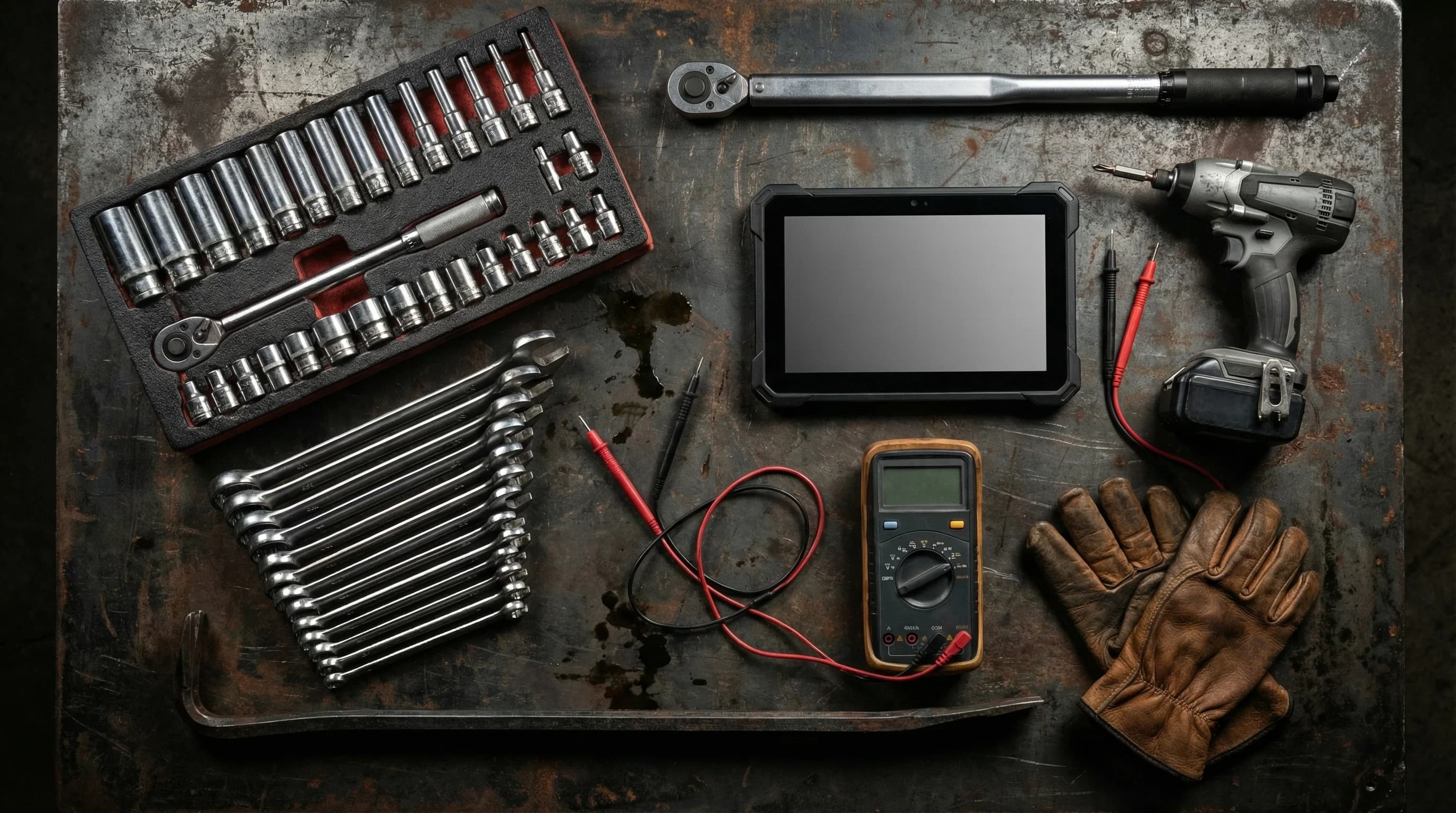
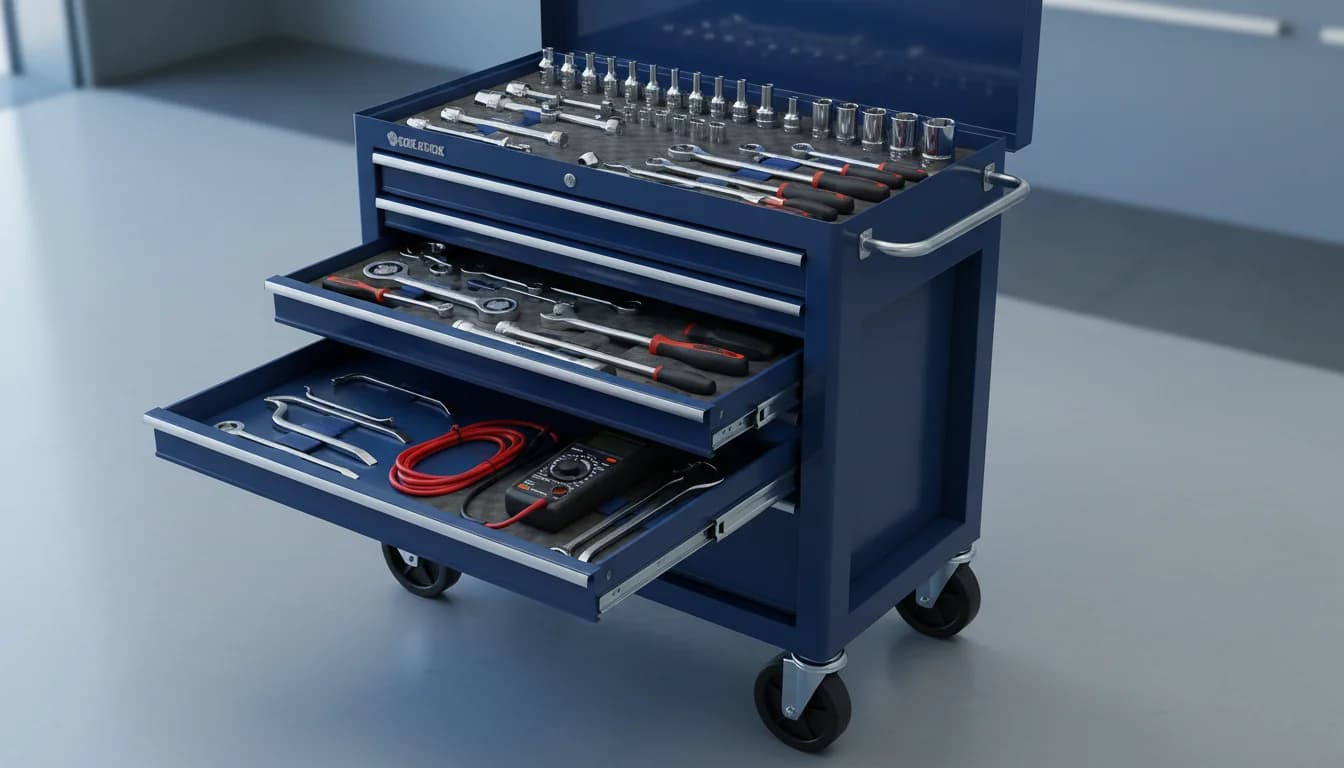
You probably have most of your hand tools already. For mobile work, you also need:
Diagnostic tools: A multi-platform scan tool (Noregon JPRO, Nexiq, or similar) is essential. Budget $3,000-8,000 for a quality setup with current subscriptions. This is what separates a mobile mechanic from a mobile tire changer.
Specialty tools: Depending on your focus — brake tools, A/C recovery machine, hydraulic crimper, injector tools — budget another $5,000-15,000.
Parts inventory: Carry common failure items — filters, belts, hoses, sensors, batteries, brake components. Your truck is also your parts room.
Step 5: Get Customers
This is where most new mobile mechanics struggle. You're a great mechanic, but you're not a marketer. Here's what works:
Join a dispatch platform: Services like Mobile Diesel USA connect you with truck drivers and fleets who need service now. You get dispatched to jobs without doing any marketing. This is the fastest way to build revenue.
Fleet accounts: Visit local trucking companies, construction firms, and fleet yards. Offer competitive rates and reliable response times. One fleet account can provide steady weekly work.
Word of mouth: In trucking, reputation is everything. Every good job leads to another. Carry business cards and make sure every customer has your number.
Google Business Profile: Set up a free Google Business Profile for your service area. This helps local searches find you.
Step 6: Price Your Work
Pricing varies by market, but here are guidelines:
Hourly rate: $100-175/hour is typical for mobile diesel work in most US markets. You're providing convenience (no tow, no shop wait) — price accordingly.
Trip/dispatch fee: Some mechanics charge a separate dispatch fee ($50-150) to cover drive time. Others roll it into the hourly rate.
Parts markup: 20-40% markup on parts is standard and expected. You're sourcing, carrying inventory, and installing — that has value.
After-hours premium: Evening, weekend, and holiday calls command a premium. 1.5x the standard rate is common.
The First Year Reality
Your first year will be messy. You'll underquote jobs, spend too long on diagnosis, and have days with no calls. That's normal.
The mechanics who make it past year one are the ones who:
- Show up on time, every time
- Communicate clearly with customers about what they find
- Price fairly and don't surprise people
- Build a reputation one good job at a time
The mobile diesel repair market is growing, the demand is real, and a skilled mechanic with the right setup can build a six-figure business. It won't happen overnight, but it will happen if you commit to it.